Best Grass Types for Winchester, VA Yards
Plenty of Winchester homeowners have poured money into seed that never had a chance. The bag looked promising, the lawn came in green, and then one brutal August or one icy January wiped out half of it. The problem usually is not the effort. It is the grass type, chosen for a climate we do not actually have.
Picking the right species for the Shenandoah Valley is the single biggest factor in how your lawn performs, more than fertilizer, more than watering, more than any product you can buy. Here is what actually thrives in Winchester and how to match a grass to your specific yard.
WHAT GRASS GROWS BEST IN WINCHESTER VIRGINIA?
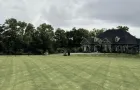
Turf type tall fescue is the best all around grass for Winchester, VA lawns. It handles our hot, humid summers and cold winters better than any other cool season grass, and it stays green most of the year. Kentucky bluegrass and fine fescues earn a place in blends for sunny or shady yards, while warm season grasses like zoysia fit only a narrow set of situations.
If you take one thing from this article, make it that. When a customer asks us what to plant and wants a single answer, the answer is a quality blend of modern turf type tall fescue varieties. Nearly every great looking lawn you drive past in Frederick County is fescue.
WHY THE TRANSITION ZONE MAKES GRASS CHOICE TRICKY
Winchester sits squarely in what turf scientists call the transition zone, the band of the country where it is too hot in summer for northern grasses to coast and too cold in winter for southern grasses to survive comfortably. Our July heat stresses cool season lawns, and our January freezes punish warm season ones. No grass is perfectly happy here, which is why choosing the most adaptable species matters so much.
This is also why advice from relatives in other states leads people astray. A cousin in Pennsylvania swears by Kentucky bluegrass, a friend in Raleigh loves bermuda, and neither experience translates cleanly to the Shenandoah Valley. We need grasses that tolerate both extremes, and that short list starts and mostly ends with tall fescue.
TURF TYPE TALL FESCUE: THE WORKHORSE FOR OUR AREA
Modern turf type tall fescue is nothing like the coarse pasture fescue of decades past. Today’s varieties are darker, finer bladed, and dense enough to pass for bluegrass at a glance. The real advantage is underground: fescue roots can reach two to three feet deep, which lets the lawn pull moisture through summer dry spells that leave shallow rooted grasses crispy and brown.
Fescue also tolerates partial shade, resists disease reasonably well in improved varieties, and holds its color from early spring into December here. Its one weakness is that it grows in bunches and cannot repair itself, so damaged or thin areas need overseeding. Plan on a September overseed every year or two and a fescue lawn in Winchester will look good for decades.
WHERE KENTUCKY BLUEGRASS AND FINE FESCUES FIT
Kentucky bluegrass earns its spot in seed blends because it spreads by underground stems and can knit itself back together after damage, something tall fescue cannot do. The tradeoff is that bluegrass demands full sun, regular water, and more fertilizer, and it suffers visibly in our August heat. A blend that is mostly tall fescue with 5 to 10 percent bluegrass gives you the self repair benefit without betting the whole lawn on a thirstier grass.
Fine fescues, including creeping red and chewings types, are the shade specialists. They tolerate low light and poor soil better than anything else we can grow, which makes them the right call under mature trees and along the north side of a house. They do not love foot traffic or full afternoon sun, so treat them as a supporting player for the problem areas rather than the star of the yard.
WHAT ABOUT ZOYSIA OR BERMUDA?
Warm season grasses come up every year, usually after someone sees a flawless zoysia lawn in July. The catch is dormancy. In Winchester, zoysia and bermuda turn tan at the first frost and stay that way until May, which means five to six months of a brown lawn every single year. Bermuda brings a second problem: it spreads aggressively into flower beds, sidewalks, and your neighbor’s yard, and it is genuinely difficult to remove once established.
There are yards where zoysia makes sense, typically full sun properties owned by folks who are away in winter or simply do not mind the long tan season in exchange for a dense, low weed summer lawn. For everyone else, cool season grass is the better fit here. Whatever you choose, plant it in early fall. September seeding gives new grass warm soil, cool nights, and eight months to root before facing its first Virginia summer.
BOTTOM LINE
For most Winchester yards, the right grass is a quality turf type tall fescue blend, with a touch of bluegrass for sun and fine fescue for shade. Match the seed to your light and traffic, plant in September, and the lawn takes care of the rest. If you are not sure what is growing out there now or what your yard needs, C & J Lawn Care can assess it and recommend the right seed and schedule. We are happy to take a look at any lawn in the Winchester area.